There’s a quiet moment at the end of every sale that I truly appreciate.
The closing documents for 7908 NW Gales Ridge Lane have been signed. The keys are ready to be delivered. The house, for a brief second, belongs to no one in particular — suspended between one chapter and the next.
I was recently part of that moment here in Portland, Oregon along the NW Skyline corridor - a submarket that behaves differently than almost anywhere else in the city. It is driven by alignment rather than volume.
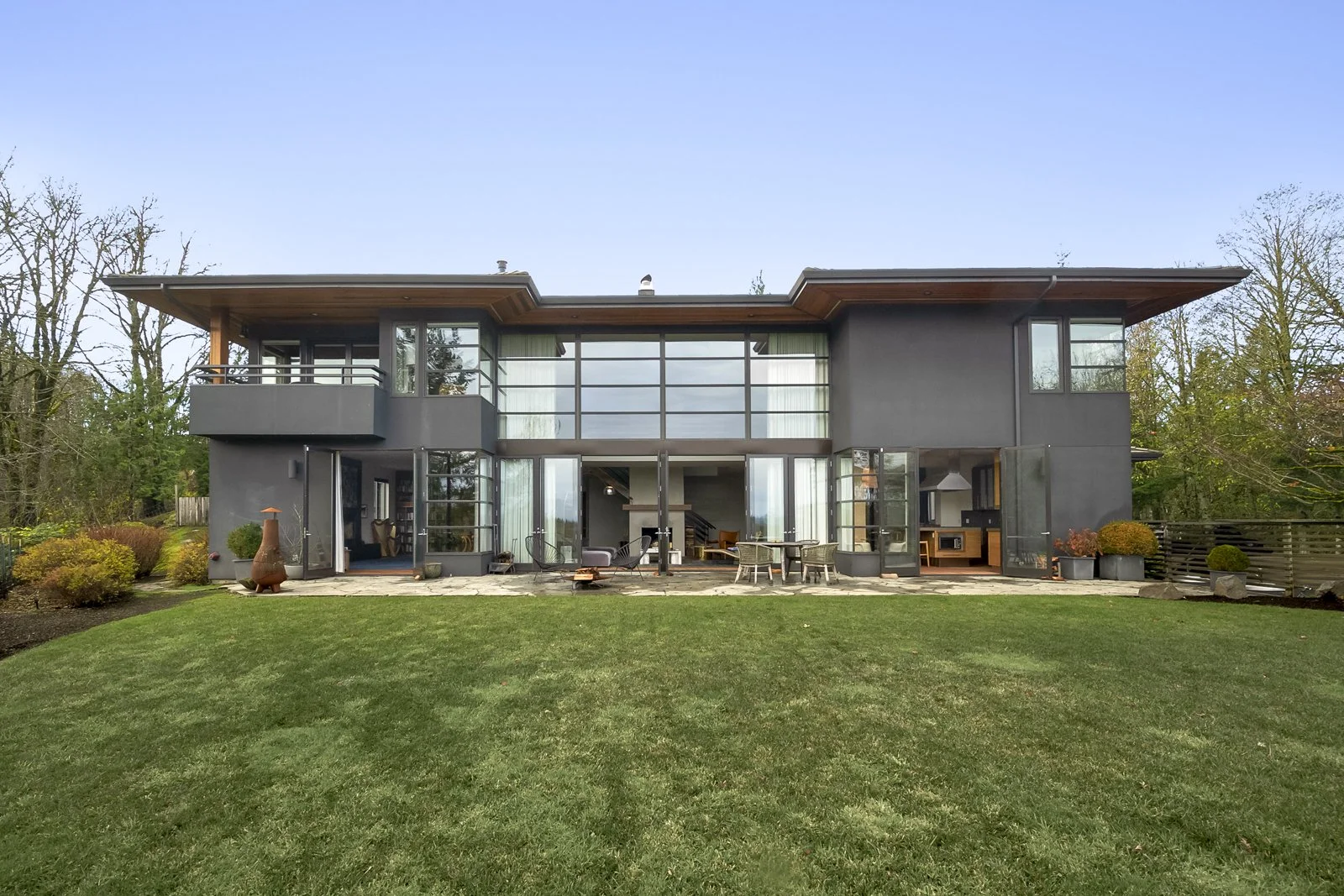
Inventory remains relatively constrained compared to more central neighborhoods, and the buyer pool is narrower and highly intentional. In the past year, we’ve seen longer average days on market here than in inner Northwest or close-in Eastside neighborhoods — not necessarily because of lack of demand, but because buyers at this price point are very discerning. They are evaluating privacy, topography, road access, well/septic/combined sewage systems, fire risk, and long-term livability just as carefully as they are evaluating finishes.
Pricing, therefore, becomes less about chasing momentum and more about positioning.
In this case, we studied:
Comparable acreage sales within Skyline and Forest Park adjacency
Absorption rate over the prior four quarters
The ratio between original list price and final sale price in the immediate area
Showing activity relative to active inventory
The data suggested a thoughtful entry point rather than an aspirational one. We prepared thoroughly, launched intentionally, and watched early traffic patterns closely. Showings were steady, but not frenzied — which is consistent with the current Skyline profile.
Negotiations reflected today’s realities: buyers are confident but measured. Concessions are strategic, not dramatic. Inspections are thorough. Financing is scrutinized.
What ultimately made the difference wasn’t urgency — it was clarity. Clear pricing. Clear property narrative. Clear expectations on both sides.
NW Skyline rewards patience. It rewards sellers who understand that privacy and acreage attract a specific lifestyle buyer, not a broad one. And when alignment happens, it tends to be durable.
Every micro-market in Portland has its own rhythm. Skyline’s is quieter, more deliberate, and — when approached correctly — remarkably steady.
This home has seen many lives. I could feel it in the radiantly heated Mexican tile floors, the way the light moved through the windows in late afternoon or even in the pink tint covering Mt Hood at sunset.
My clients weren’t just selling property — they were releasing years of memories, meals, ordinary Thursdays, and small, meaningful routines.
I feel strongly that this profession particularly is to guide a transition. To create steadiness in a process that can feel anything but steady. To bring clarity when decisions felt layered. To make room for both practicality and emotion.
Portland’s market asks for thoughtfulness right now. Pricing requires precision. Preparation requires diligence. Negotiation benefits from calm. In this case, we took our time. We listened carefully to the response from the market. We adjusted where necessary, held firm where it mattered, and ultimately found the right next steward for the home and the land.
That’s always the hope — not just a buyer, but a good fit.
Real estate, at its best, is about continuity. One family’s ending becomes another’s beginning. My work sits quietly in the middle of that exchange, helping it unfold with as much care, watching over my client’s concerns and moving with all parties towards completion of the transaction.
I’m grateful to be trusted with that responsibility.

Mt. Hood Views
Whether it was the East facing direct view of the mountain from the home or the ways in which the light played upon it at sunset, this home was a magical location to spend time. in. Work was not only professional endeavors in the conventional sense - when spending time there viewing the home with buyers, prepping for open houses or locking up at the end of visits. It was a dream property to be involved with.
SPRING AWAKENING
How the light changing affects how we experience space
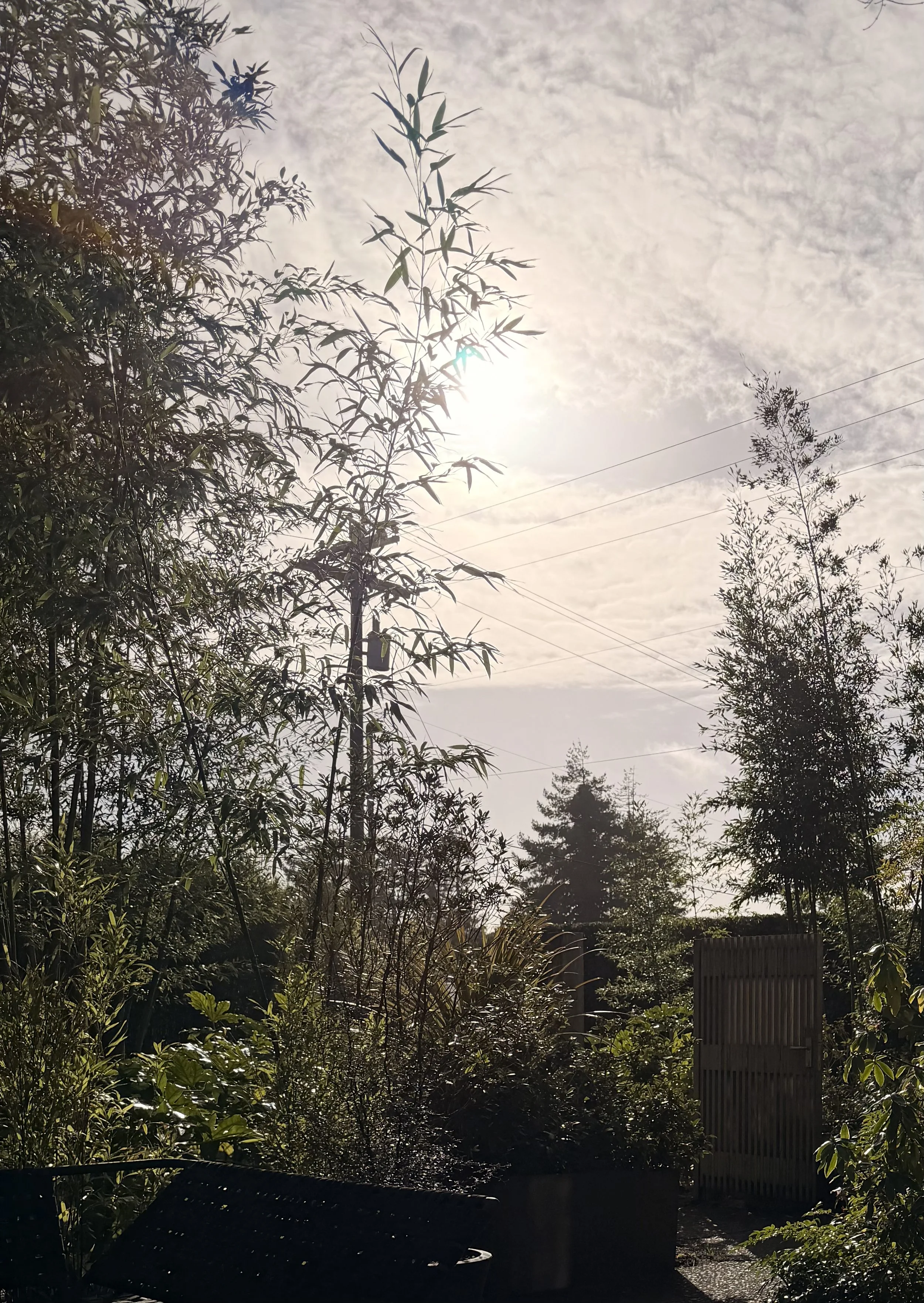
There’s a morning in early spring when I realize my home and the general area in which I live begins to feel more expansive.
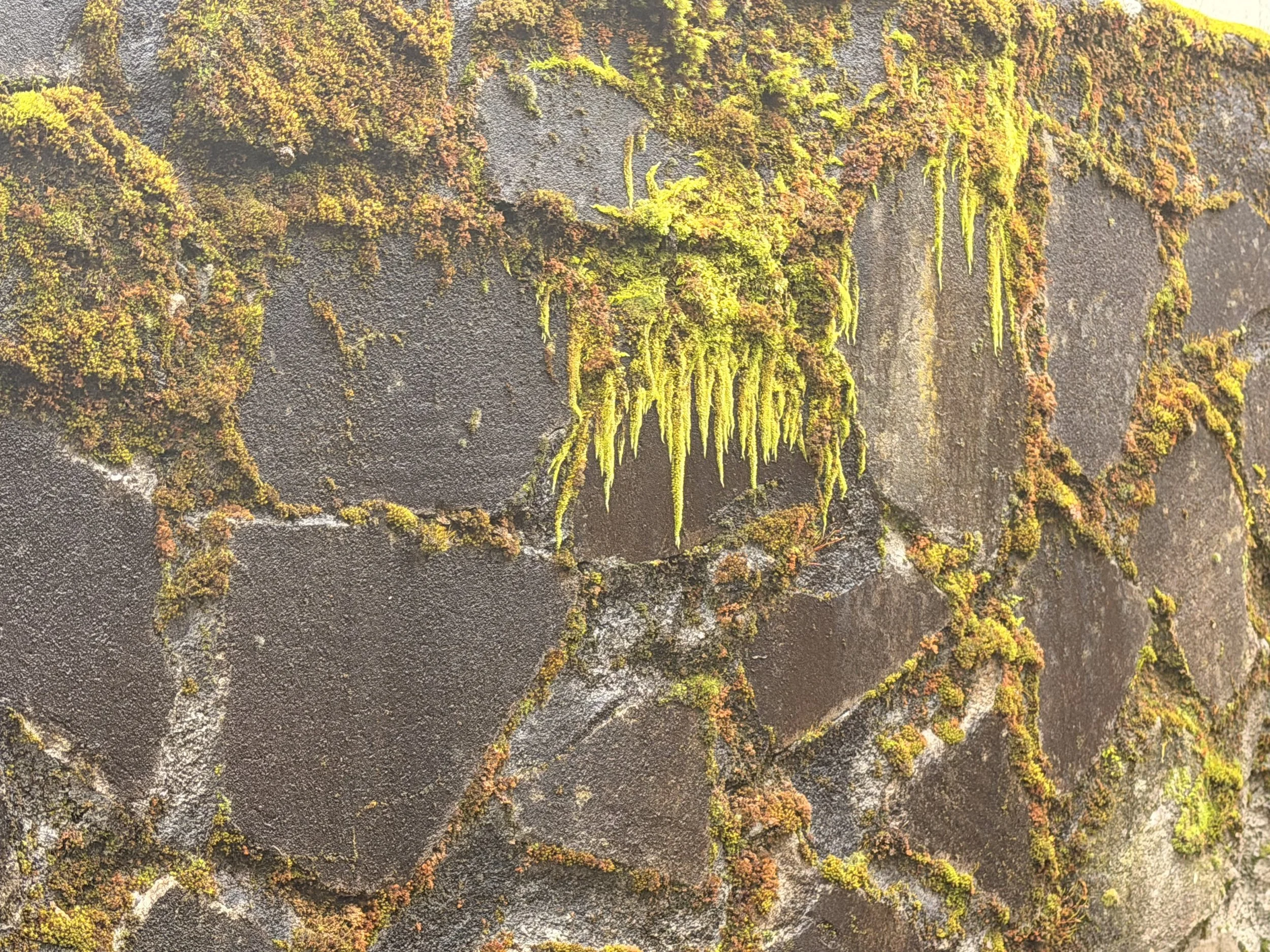
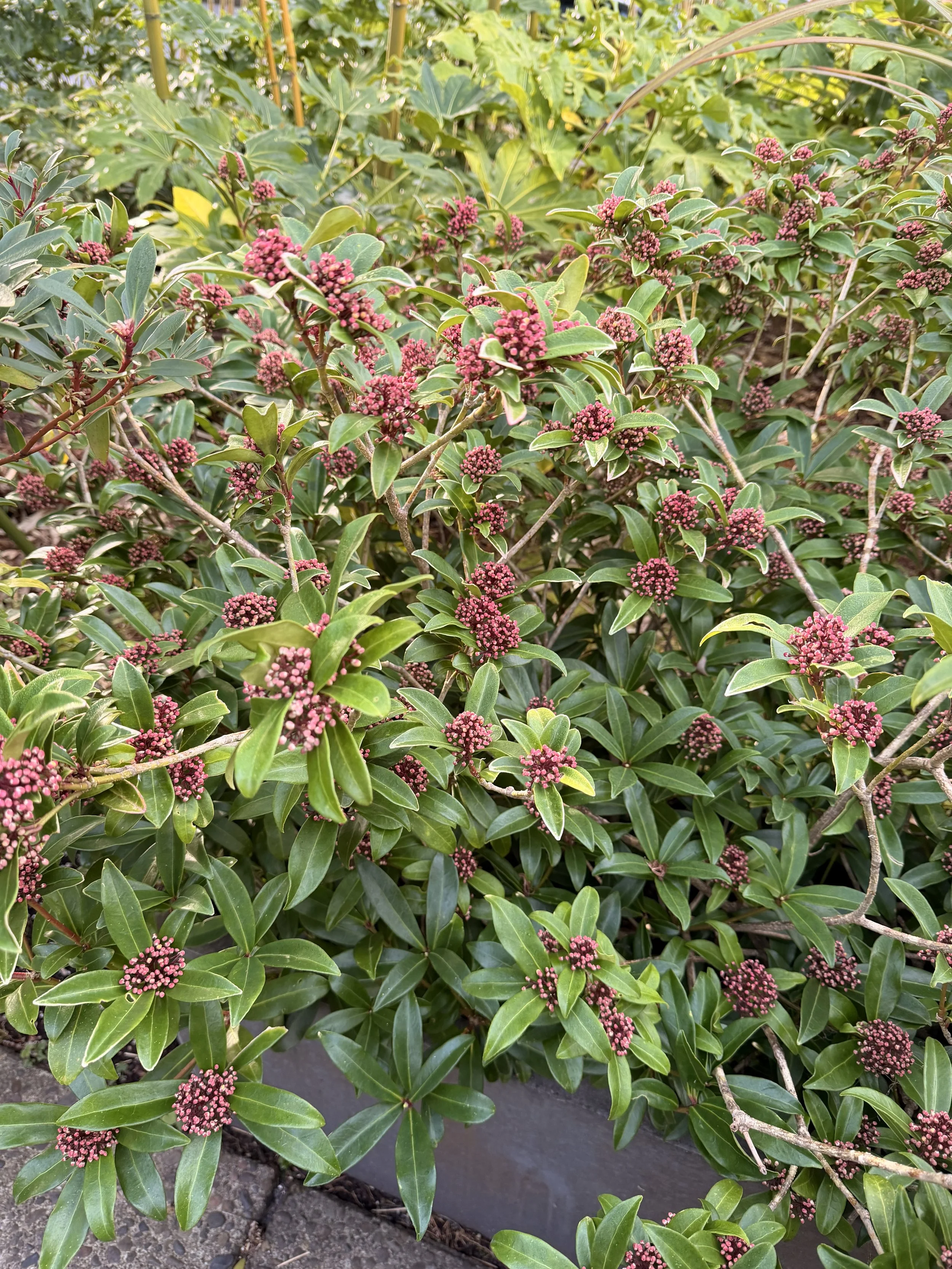
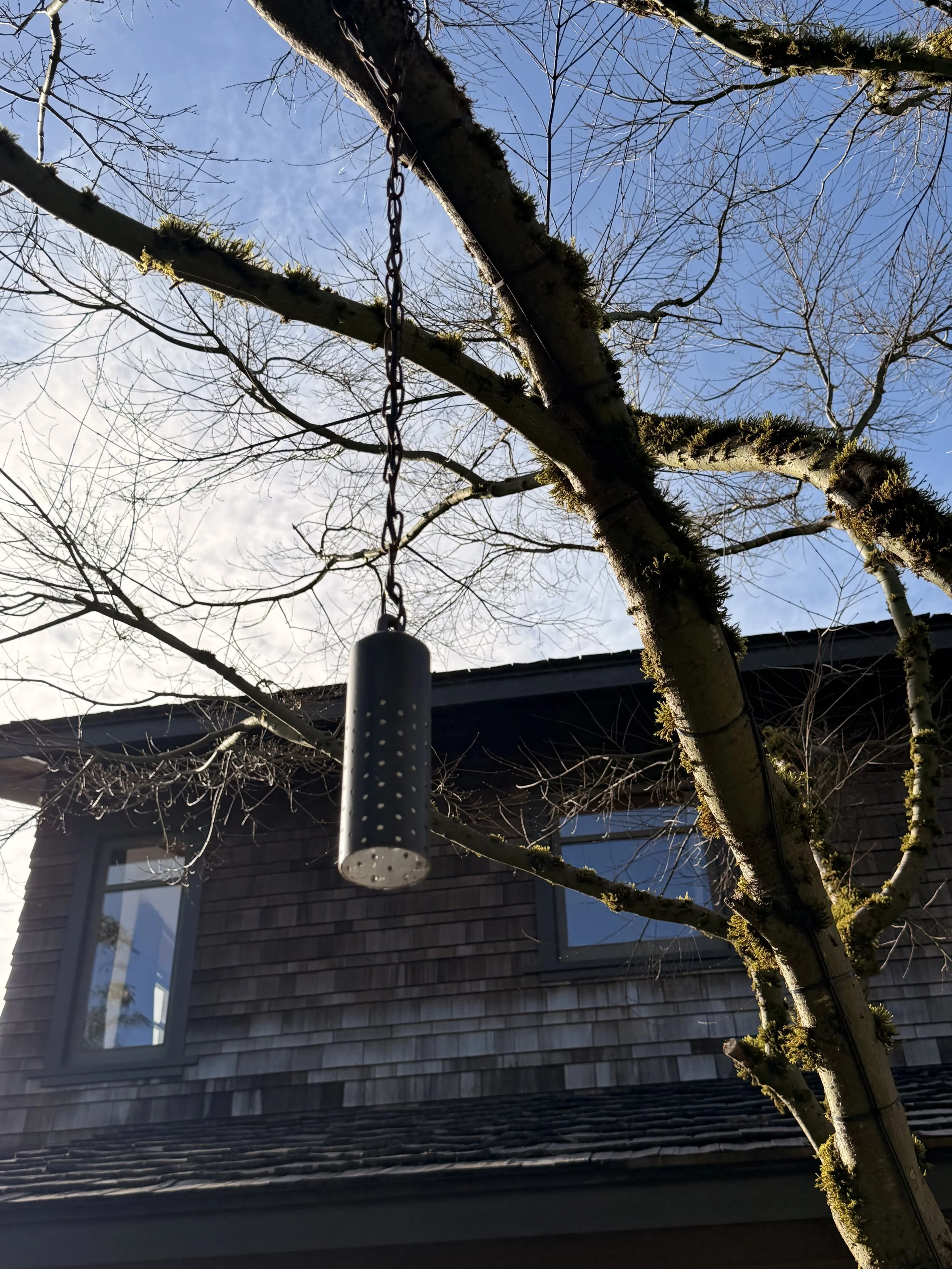
The sun lingers just a little longer, casting shadows on the walls. The air moving through the open windows carries with it the faint scent of damp soil and the sweet smells of the early blossoms of Daphne. The moss growing on the concrete wall at our driveway even smells hopefully earthy and appears quite vigorous.
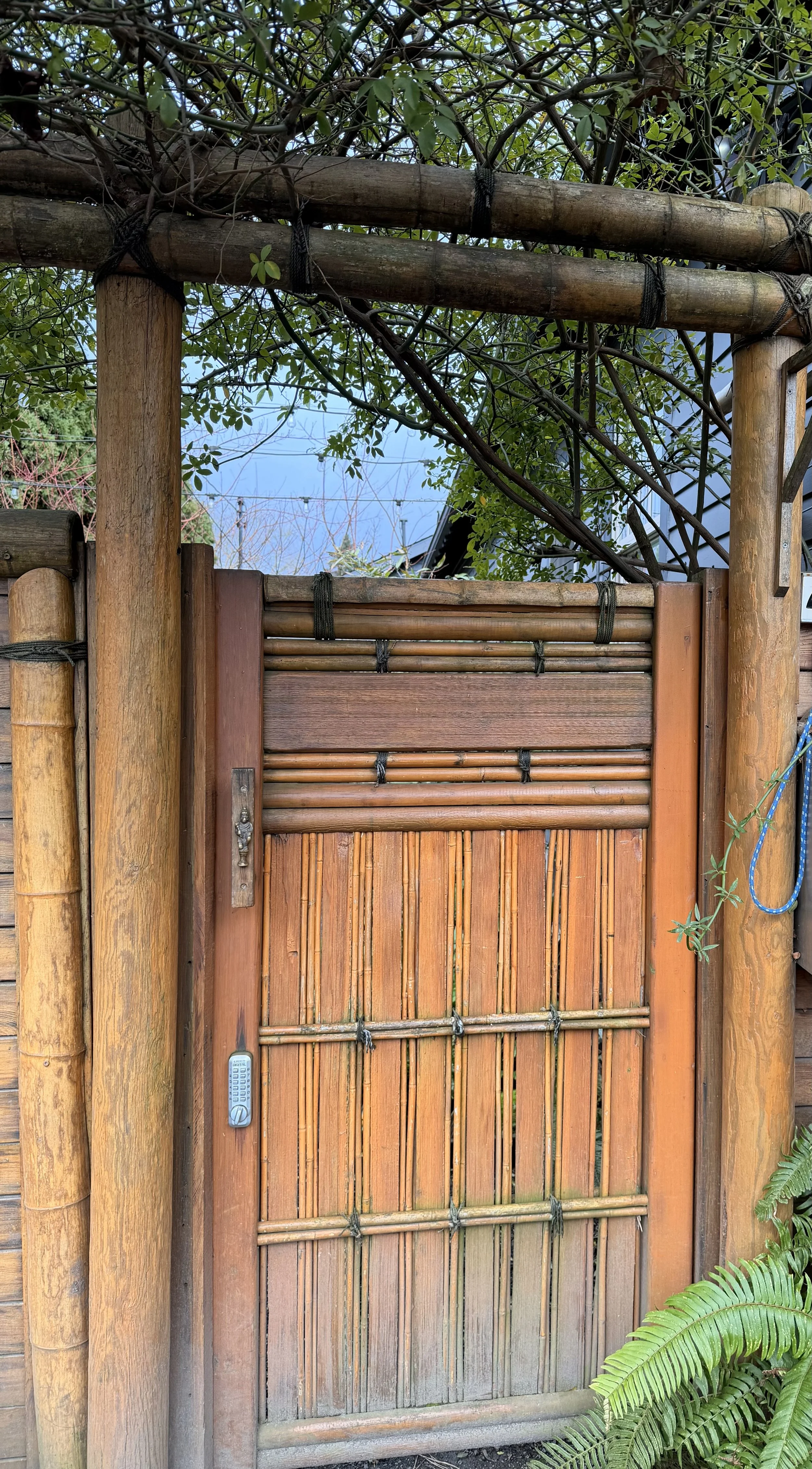
In Irvington, Sabin and Alameda, on our walks through the streets, the homes seem to exhale after holding winter quietly for months. Whether it is noticing the first buds of daffodils or the energized hope of watching my neighbors tending to winter clean ups of their gardens, this is a time to really explore the neighborhood we live in. Front porches even start to become, once again, an extension of our interior lives.
I am curious as to how my clients, colleagues and friends are experiencing this time of renewal, what they are noticing in the subtle transitions of their homes feeling more alive as the light, air and season shifts. What is our participation in our living spaces that respond to season and time?
From my experience in real estate sales at this time of year, there is growing optimism with the longer days of light, including a ‘falling in love’ sensation with a lifestyle - when my buyers view potential purchases. An optimism that may have been shadowed during winter months starts to present itself.
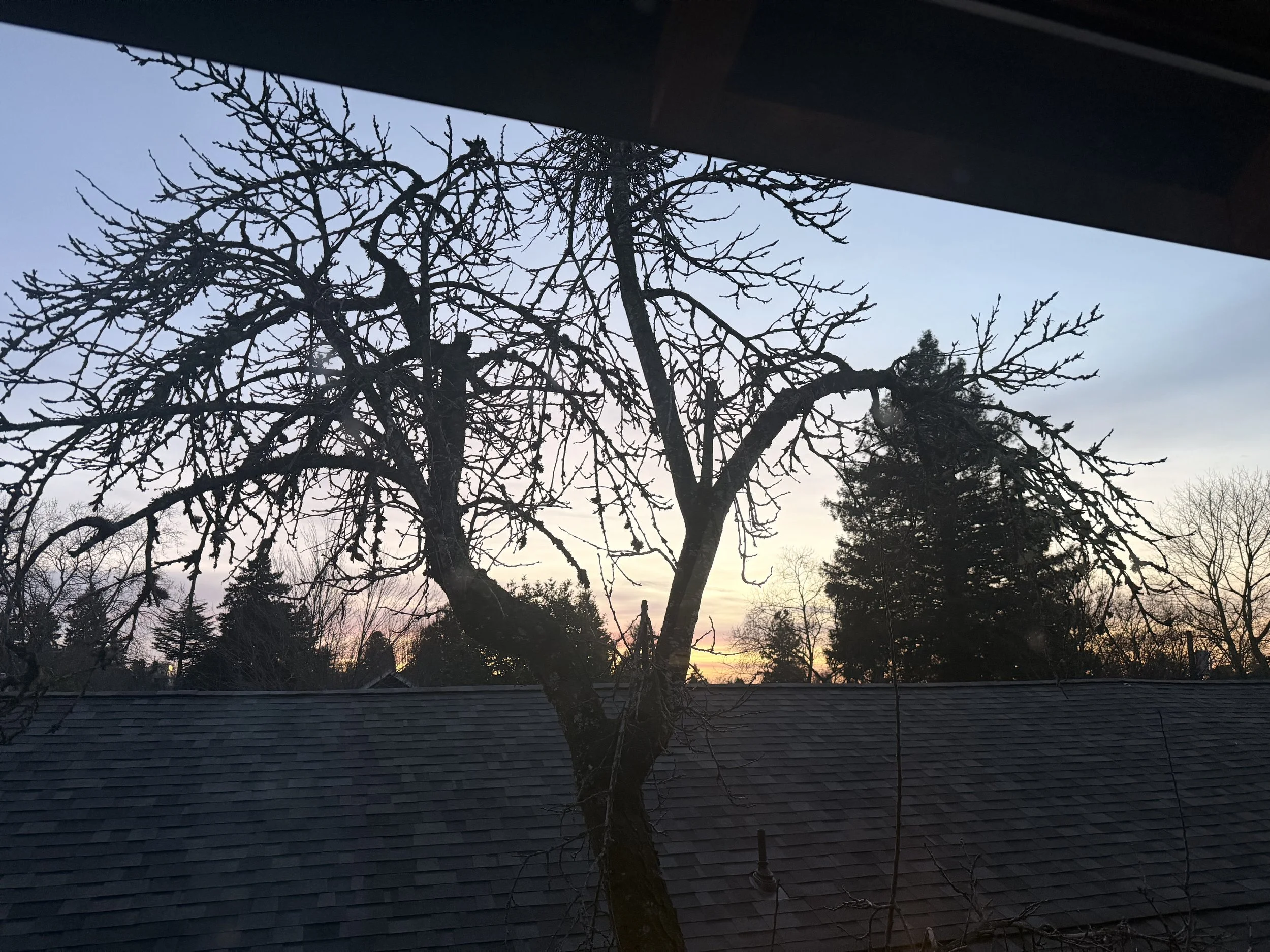
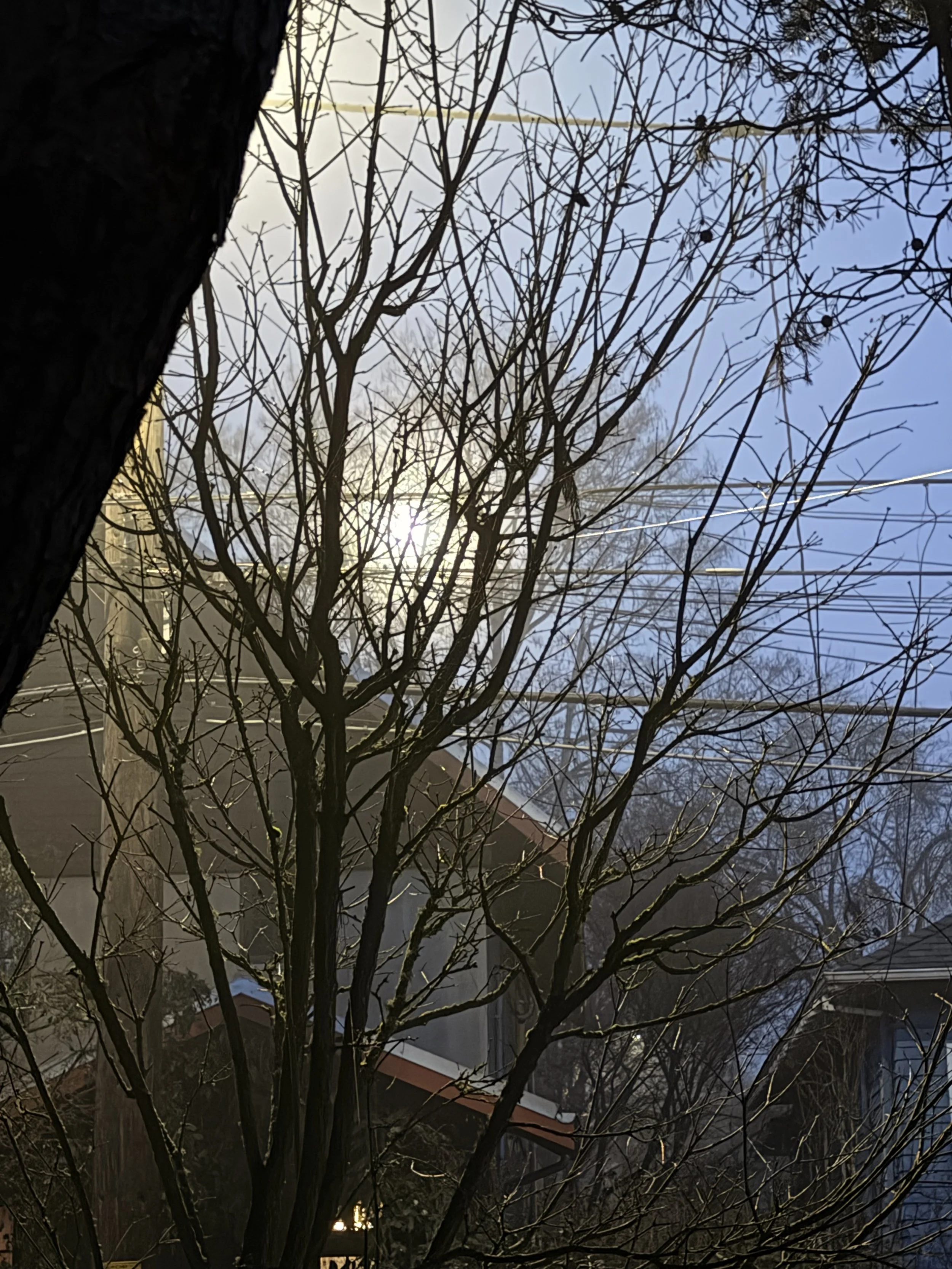



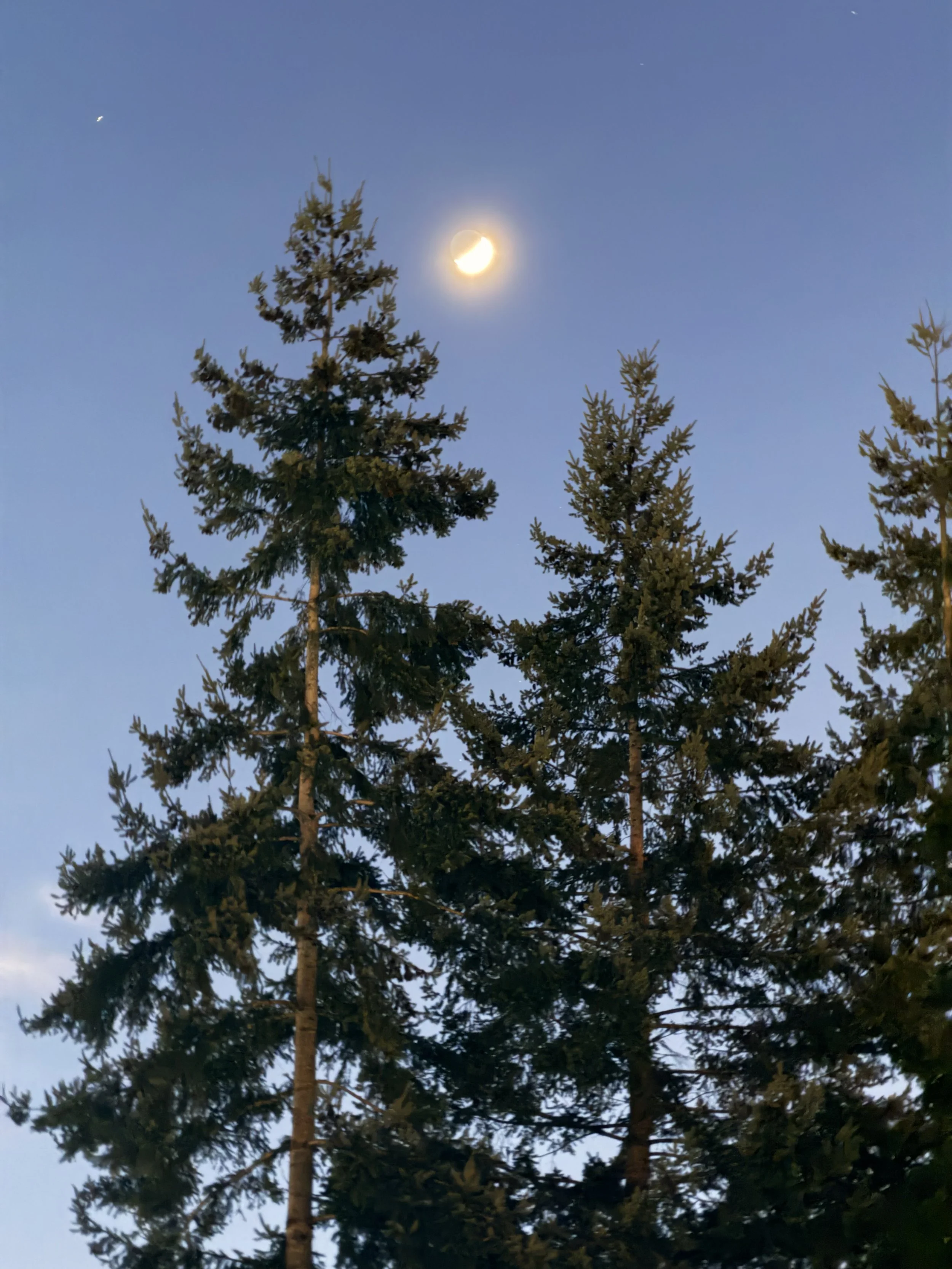
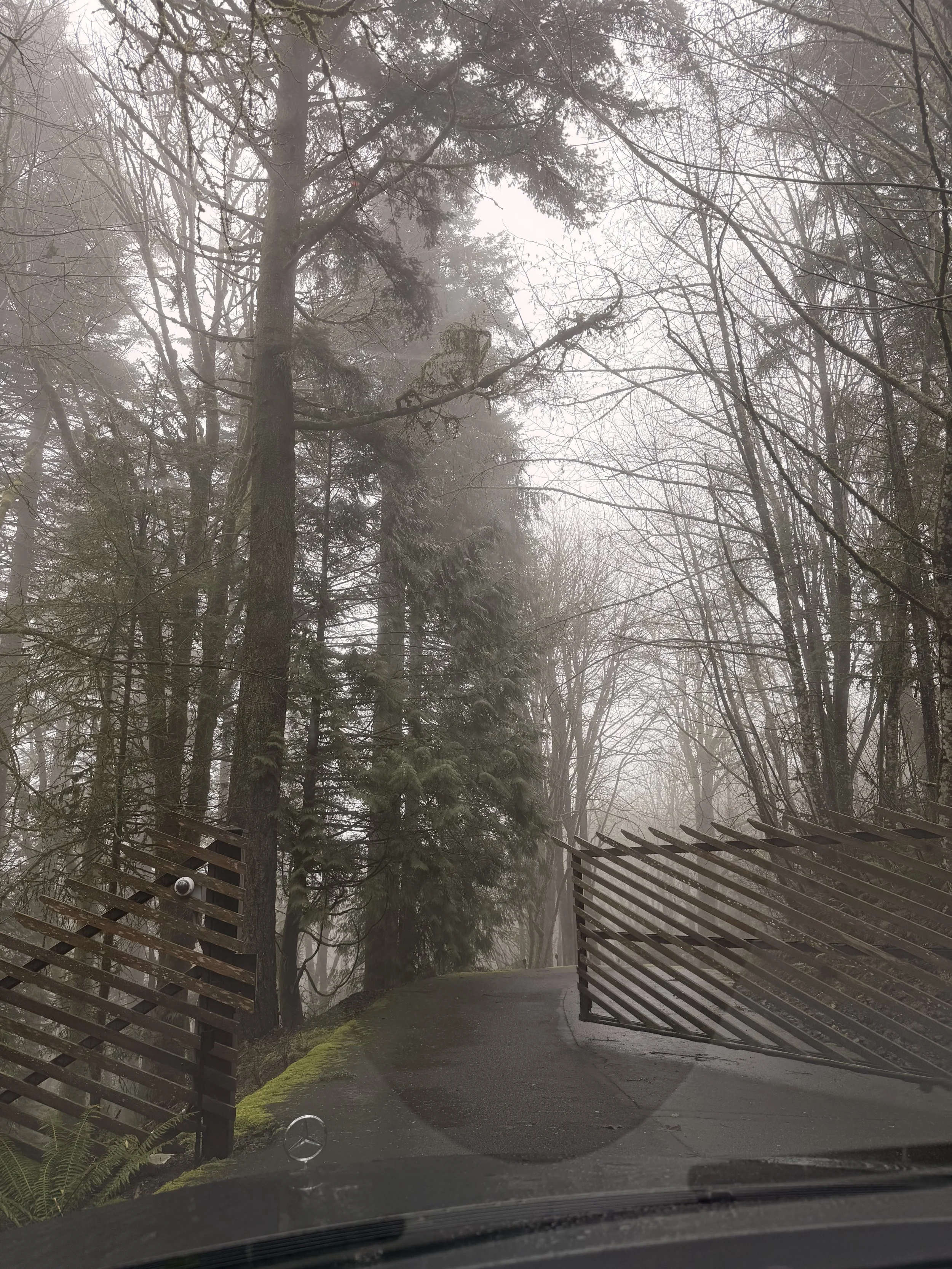
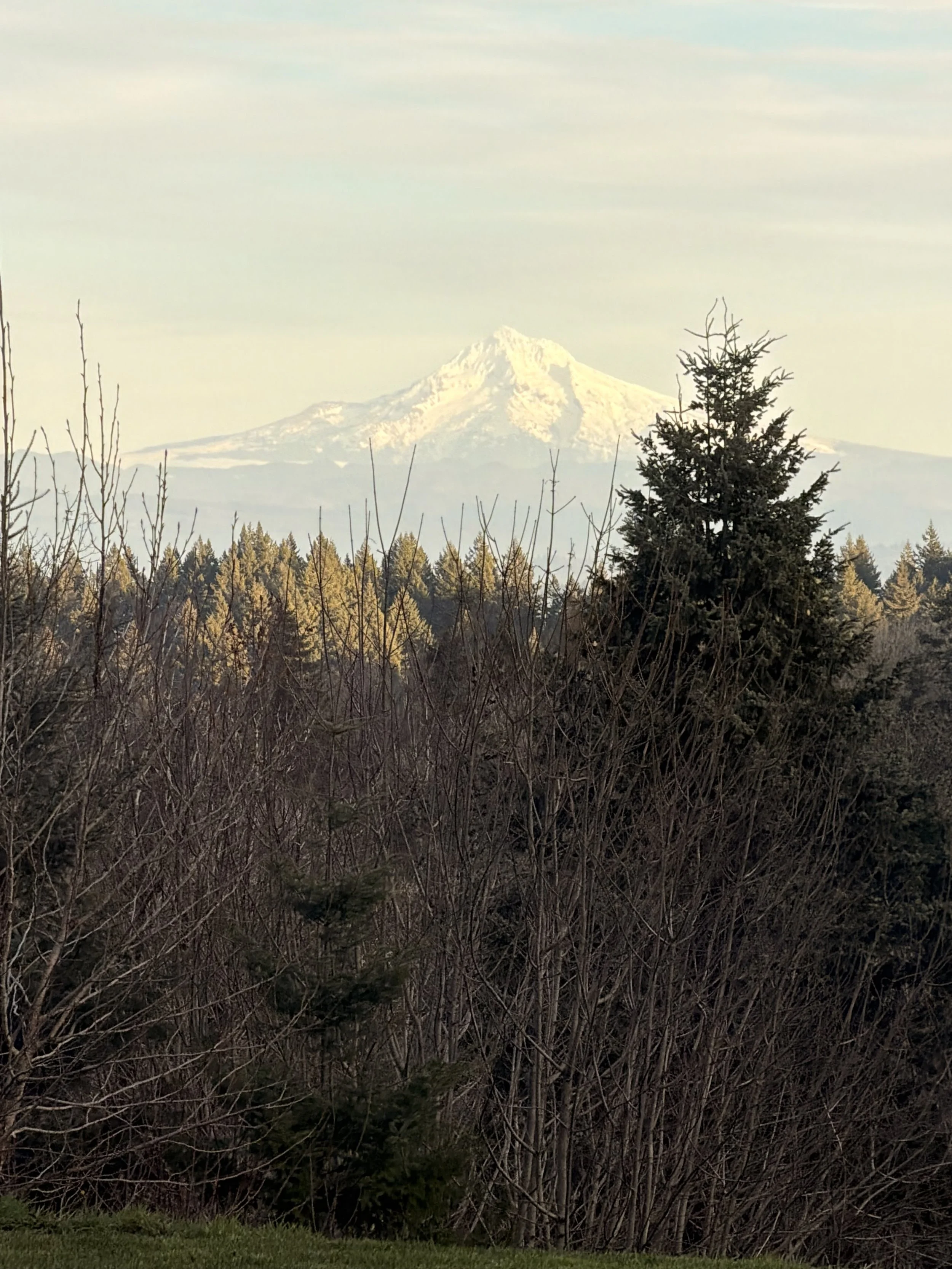
all photos by Shannon Baird - taken in Oregon and Washington